Awnings In Cranbourne North
Awnings Experts
GET A FREE QUOTE
A3 Blinds
What Awnings Do for Melbourne South-East Homes — Beyond Just Shade
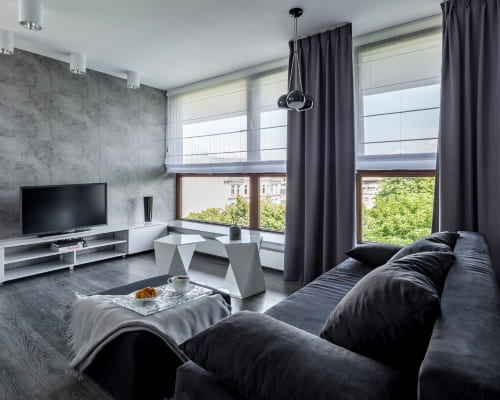
An awning isn't simply a shelter over an outdoor area — it's one of the most cost-effective ways to reduce heat load on the internal rooms of your home during Melbourne's summer months. A west or north-facing alfresco area without any shade will radiate heat through adjacent glass panels and sliding doors all afternoon, forcing air conditioning to work harder and making the open-plan living areas behind it uncomfortable from mid-afternoon. An awning blocks the sun before it hits the glass — a fundamentally more effective approach than an internal blind trying to manage radiant heat that's already entered the room. In new estate homes in Cranbourne North, Clyde North, and Berwick — where open-plan kitchen and living areas typically open onto a paved alfresco through large glass sliding doors — an awning is the outdoor upgrade that makes a noticeable difference to daily comfort in the months that matter. A3 Blinds installs awnings across Melbourne's south-east, with options from manual straight drops to motorised folding arm systems, and brings fabric samples to every measure visit so you can make an informed choice.
A3 Blinds
When Homeowners Start Looking for Awnings — and What to Consider
The most common trigger for awning enquiries across the City of Casey is Melbourne's first serious heat event of the season — usually in October or November — when homeowners realise their unshaded alfresco is unusable by 2pm and the living room behind it is almost as bad. The second trigger is finishing the outdoor area: once paving or decking is laid and outdoor furniture is placed, the awning question follows naturally because the space isn't fully functional without it. The third trigger is a neighbour or friend's install — seeing a covered alfresco in use on a summer evening is a compelling demonstration. The type of awning that suits your space depends on the outdoor structure, orientation, and how you use it. A straight drop awning works best for vertical sun and privacy shielding; a folding arm awning is better for projecting shade over a large deck or dining area. Asanga will assess both options during a free measure visit and recommend the one that suits your specific outdoor configuration.
A3 Blinds
How A3 Blinds Chooses, Measures, and Installs Awnings for Long-Term Performance
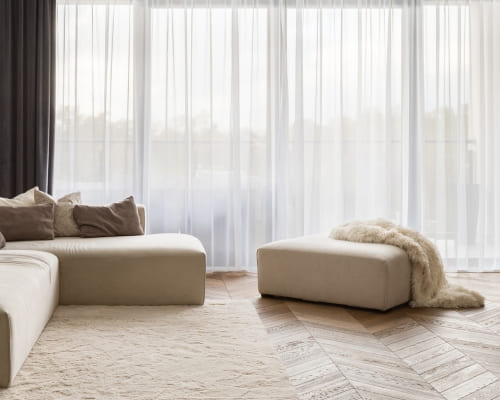
The most important decision in any awning installation isn't the fabric colour — it's the mounting point. An awning that's secured into a structurally sound fascia board, timber pergola beam, or masonry wall will last for its full service life; one mounted into a lightweight cladding panel without adequate backing will eventually pull out under the load of a full-span awning extended in wind. Asanga assesses the mounting surface on every measure visit before recommending any installation — and if the proposed location isn't structurally appropriate for the awning span, he'll say so and offer an alternative. Fabric selection also matters for Melbourne's specific climate: solution-dyed acrylic fabrics handle UV and the wet winters that polyester coatings can't survive. Once order and installation are confirmed, motorised systems are wired and tested, manual systems are adjusted for correct tension, and A3 Blinds confirms the full range of operation before leaving. Call 0421 342 312 to book a free outdoor measure and quote.
TESTIMONIALS
What Our Awnings Customers Say About Us
The Process
3 Step Process For Your Awnings Needs

Contact Us
Start by completing the 'Get a Free Quote' form on our website to share your Awnings needs with us.

Schedule Your Estimate
Next, we'll arrange a property visit at a time that works for you to provide an in-person estimate for your Awnings needs.

Get The Job Done
After you approve our estimate, we'll schedule a date to complete the job. Our team will work hard to exceed your expectations!
areas we serve
Awnings
Berwick is one of Melbourne's most established south-east suburbs — a blend of heritage-character homes near Berwick Village, 1990s brick veneer in the broader residential streets, and newer estate releases on the Cranbourne Road fringe towards Clyde. Wilson Botanic Park sits at the suburb's heart, and many premium properties along Gloucester Avenue and Old Belgrave Road have views across the park that homeowners want to frame, not cover. A3 Blinds serves Berwick regularly, with the product mix here skewing toward plantation shutters and quality curtains for period-style and established homes rather than the pure new-build roller blind work that dominates Cranbourne North.
Clyde North is one of Victoria's fastest-growing residential corridors — a large-scale estate development that has added tens of thousands of new residents over the past decade, with more stages still being released. The suburb is dominated by Eliston, Meridian, and a succession of other estate brands, all delivering contemporary homes on narrow lots to first-time buyers and growing families. Like neighbouring Cranbourne North, the predominant housing type is the new estate home — brand new, empty of window coverings at handover, and often with west-facing rooms that need immediate heat management in Melbourne's summer months.
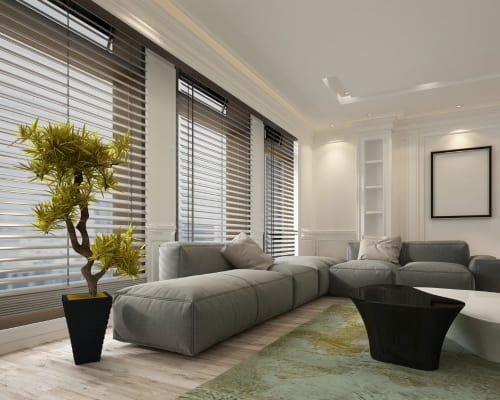
Cranbourne is the established heart of the City of Casey — a suburb with a longer residential history than its newer eastern neighbours, characterised by a mix of weatherboard and brick homes from the 1960s through 1990s, alongside newer infill developments closer to the Cranbourne Town Centre. Cranbourne Park Shopping Centre, the Cranbourne Racing Club, and the Royal Botanic Gardens Cranbourne give the suburb a settled, established character that's distinct from the greenfield estates of Cranbourne North and Clyde North. The window covering needs here skew toward replacement and upgrade — homeowners who've been in their properties for years and are ready to replace tired existing coverings.
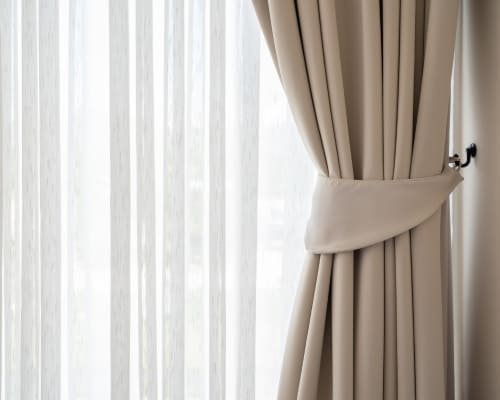
Cranbourne East is one of Melbourne's active residential growth corridors — home to the Livingston estate and a series of development releases that have expanded the suburb significantly over the past decade. The housing stock is predominantly new-build estate homes, with a profile very similar to Cranbourne North and Clyde North: first-time buyers, young families, open-plan layouts with large glass panels, and a need for window coverings from the moment of handover. The suburb borders Cranbourne North to the north and Clyde North to the east, placing it firmly in A3 Blinds' core service zone.
Cranbourne North is one of Melbourne's fastest-growing residential areas — home to Minta Estate, Tulliallan, and a rapid succession of new-release lots that bring hundreds of new homeowners to the area each year. The suburb sits in the City of Casey and is characterised by contemporary estate homes on narrow lots, many with west-facing alfresco areas that create specific heat management needs. A3 Blinds is based right here on Chantenay Parade, which means Asanga Dinadasa is measuring and installing in this suburb every week and knows the window reveal dimensions, common builders' specs, and typical orientations better than any operator coming in from across town.
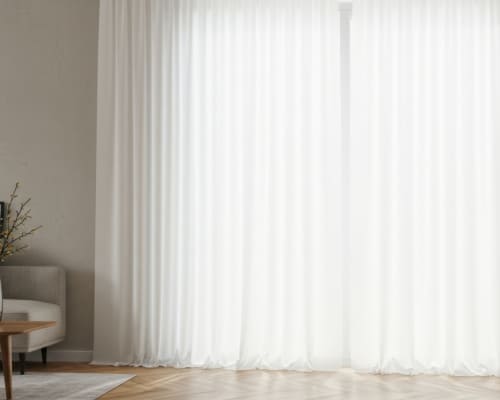
Cranbourne West is a mixed suburb — its eastern residential area contains established homes from the 1990s and early 2000s on comfortable-sized blocks, while the suburb's western fringe transitions toward light industrial and commercial uses along the South Gippsland Highway corridor. The residential streets closest to the Cranbourne border have a settled, established feel: brick veneer homes with mature gardens, families who've been in the suburb for a decade or more, and a renovation market where kitchen, bathroom, and window covering upgrades happen together. The proximity to the highway also makes external noise a more relevant consideration here than in purely residential suburbs.
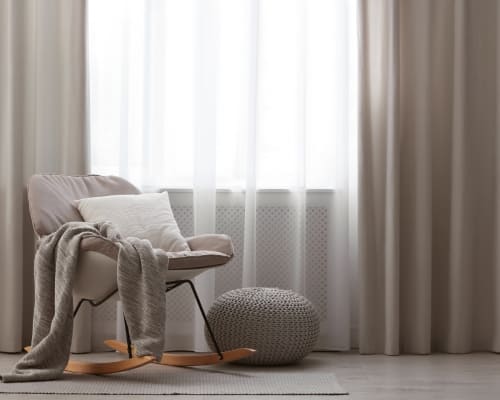
Endeavour Hills is an established residential suburb in Melbourne's south-east — developed through the 1970s and 1980s on the hilly terrain east of Dandenong, with homes that have a larger block size and more established garden character than the newer estate suburbs to the south. The suburb has a mature feel, with wide, tree-lined streets, a mix of family homes and properties transitioning to downsizer ownership, and an active renovation market as original homeowners upgrade properties that haven't been touched in twenty years. Window covering needs here are primarily replacement and renovation rather than new-build first install.
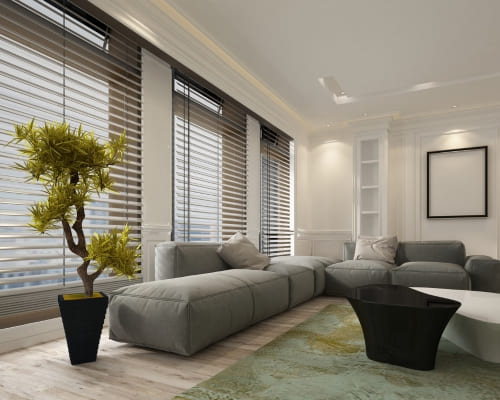
Hallam is an established residential and light industrial suburb in Melbourne's south-east, sitting between Narre Warren and Dandenong on the South Gippsland Highway corridor. The residential areas of Hallam are characterised by 1980s and early 1990s brick veneer homes on standard-sized blocks — a suburb with a practical, working-family character and a strong upgrade and replacement market as original homeowners and long-term renters seek to improve properties that haven't been touched in years.
Hampton Park is an established, diverse residential suburb in Melbourne's south-east — a community of family homes from the 1970s through 1990s, affordable in price relative to neighbouring suburbs, and characterised by a strong sense of community and long-term ownership. Many Hampton Park properties are owner-occupied by families who have been in the suburb for decades, alongside newer arrivals attracted by the suburb's value. Window covering needs here are predominantly replacement and upgrade — bringing older, worn products up to a standard that makes the home comfortable and visually consistent.
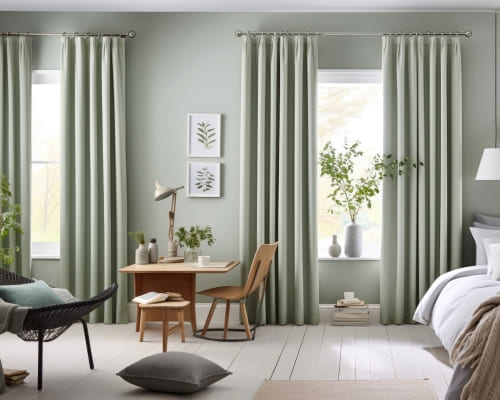
Lynbrook is a planned residential estate suburb that was developed predominantly from the early 2000s — positioned between Hampton Park and Cranbourne on the Frankston-Dandenong Road corridor. The suburb has a mix of housing types: detached family homes from the first wave of development (now 15–20 years old and entering their first major renovation cycle) alongside denser townhouse developments that have been added in subsequent years. Lynbrook residents are an active renovation market, with homeowners who are upgrading properties that were fitted out at build time with basic products now 15+ years past their installation.
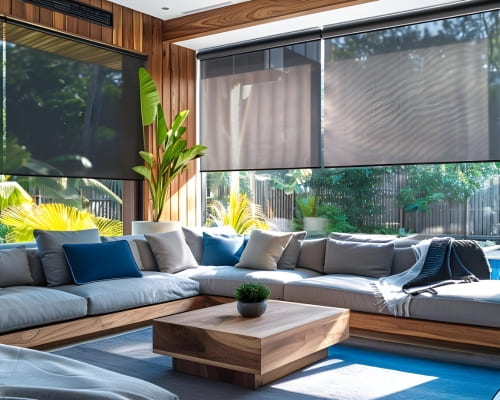
Narre Warren is one of Melbourne's south-east's most established and self-contained suburbs — anchored by the Westfield Fountain Gate and Eden Rise shopping precincts, well-served by public transport on the Pakenham corridor, and home to a mix of housing types ranging from 1980s family homes to newer infill townhouses and semi-detached developments. The suburb has an active renovation market: homeowners upgrading kitchens, bathrooms, and interiors simultaneously tend to include window coverings in that renovation scope, and the suburb's central amenity position makes it attractive for owner-occupiers who stay and improve rather than sell and move on.
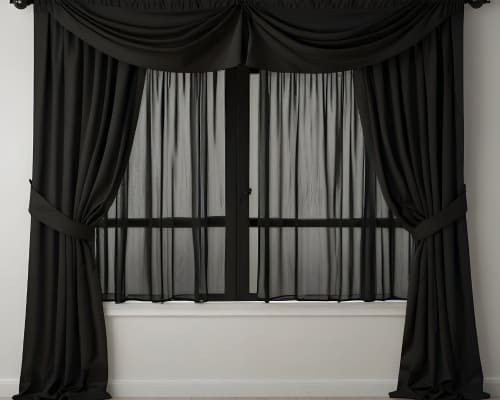
Narre Warren South is one of Melbourne's south-east's more premium residential pockets — larger blocks, established landscaping, and a housing stock that includes substantial family homes from the 1990s and early 2000s alongside some more recent larger-lot builds. The suburb has a quieter, more private feel than the denser estate suburbs to its south, and homeowners here tend to invest in quality products and are more likely to specify motorised systems, premium fabrics, and outdoor shading products than buyers in more affordable nearby suburbs. A3 Blinds' work in Narre Warren South skews toward plantation shutters, premium curtains, outdoor awning systems, and motorised products.
Awnings In Cranbourne North
FREQUENTLY ASKED QUESTIONS
Everything you need to know about our Awnings In Cranbourne North
How much do awnings cost in Melbourne's south-east?
Awning pricing depends on the type, span, and whether the system is manual or motorised. Straight drop awnings for a standard 3m alfresco opening typically range from $800–$1,500 installed. Folding arm awnings — which project outward to shade a larger area — generally range from $1,500–$3,500 depending on span and motor inclusion. Fixed canopy awnings are the most budget-friendly at $500–$900 for a standard span. A3 Blinds provides a written quote after measuring your specific outdoor space — the price depends too much on the exact dimensions and mounting structure to estimate accurately without a site visit.
How long do awnings last in Melbourne's climate?
Quality awning fabrics in Melbourne conditions typically last 10–15 years with correct care — but the fabric choice matters significantly. Solution-dyed acrylic fabrics (such as Sunbrella or equivalent) hold their colour and resist mildew in Melbourne's combination of high UV and wet winters far better than cheaper coated polyester, which can fade and crack within 3–5 years. The frame and motor components carry separate manufacturer warranties. A3 Blinds only installs products we're confident will perform long-term in Melbourne's climate, and Asanga will be direct about which fabric options are appropriate for a south or north-facing orientation.
What's the difference between a straight drop awning and a folding arm awning?
A straight drop awning hangs vertically from a head box mounted above the opening, creating a shaded wall on the side of a structure — useful for blocking western sun on a fence line, creating privacy from a neighbour, or reducing heat on a wall-facing exposure. A folding arm awning projects horizontally outward from the wall on articulated arms, creating a shade canopy over a deck or outdoor dining area. Folding arm awnings shade a larger ground area but are more exposed to wind and should be retracted in strong gusts — which is why motorised systems with wind sensors are a worthwhile addition for Melbourne conditions. Asanga can advise on the right type for your specific outdoor space during the measure visit.
What does awning installation involve?
Installation starts with a site measure to assess the mounting surface, span, projection, and fabric options. Awnings are fixed to external walls, fascia boards, or pergola beams — the mounting structure determines the fixing method. Asanga identifies the strongest available fixing point for the specific awning span to ensure the load is carried correctly. Motorised systems are wired to power during the installation visit. The complete process for a single awning is typically 2–4 hours, including a full operation test before A3 Blinds leaves.
Request A Free Awnings Quote
GET A FREE QUOTE
BUSINESS
SERVICES
SERVICE AREAS
OPERATING HOURS
Sun: Closed
Mon: 9:00am - 5:00pm
Tue: 9:00am - 5:00pm
Wed: 9:00am - 5:00pm
Thu: 9:00am - 5:00pm
Fri: 9:00am - 5:00pm
Sat: 9:00am - 5:00pm